
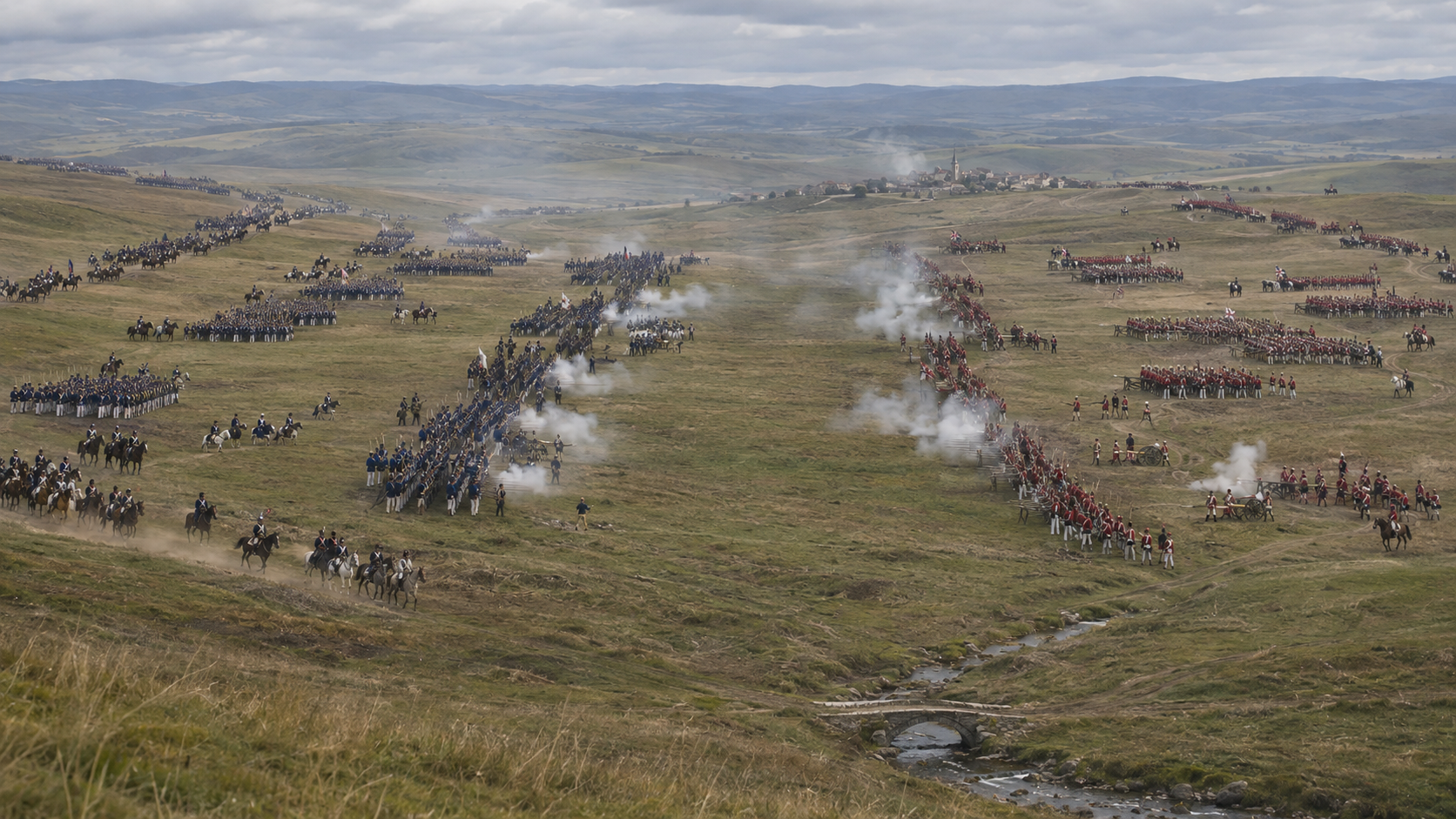
A painting of a Napoleonic battle epitomizes order in chaos. Behind the scene lies a formal understanding of how the parts fit together and act as a whole. Fast-forward to today’s business world: a model-based enterprise brings that same clarity to the organization. Its shared model connects the parts and explains how a change in one affects the others. This makes it easier to adapt, scale up, and transform as conditions change. With that shared understanding, individuals can judge how best to support the whole as their circumstances evolve.
With model formalism, each unit can understand its place in the whole, and those directing the whole can understand what each unit can contribute. This shared clarity helps an organization grow, sustain its operations, and evolve without constantly reconstructing how it works.
A model-based enterprise gives each initiative a foundation to build on. Teams can scale faster because they can see where a capability applies and what must change for it to work elsewhere.
That shared understanding also makes capabilities easier to sustain. As the business changes, teams can identify what is affected and update it coherently. What one initiative learns becomes available to the next.
Transformation becomes more deliberate thanks to the form. Leaders can evaluate how a proposed change will affect the wider business before committing resources. Each improvement adds to the enterprise’s ability to make the next one.
Building this capability starts with a top-down commitment to how the enterprise will operate and evolve. That ambition guides the model’s design and establishes the purpose of formalism: a shared, explicit understanding that people and systems can use consistently.
Choosing where to begin requires expert contextualization. It takes knowledge of the business and the modeling discipline to translate an enterprise vision into a practical first implementation. This is an art and science in itself.
Four actions make that commitment concrete:
- Design the intended enterprise capability: Define how models will enable the business to scale, sustain, and adapt.
- Assign lasting ownership: Establish accountability, authority, and resources to build and maintain the capability.
- Choose the starting point and path through expert judgment: Translate the enterprise ambition into a practical sequence grounded in business context.
- Develop through coordinated delivery: Align initiatives to the shared design, validating and refining the model as it grows.
See how Winspyre achieves this vision at scale, with precision 👇
© 2026 Winspyre Quant LLC. All rights reserved.